
Participants 1

Market Master: Ordering Food, Shopping & Making Local Connections
Picture yourself stepping into Gwangjang Market, one of Seoul’s most famous traditional markets. The air is filled with the sizzling sounds of Korean street food, colorful vendors calling out their specialties, and the bustling energy of locals going about their daily shopping. This is where your Korean language skills transform from textbook knowledge into real-world superpowers!
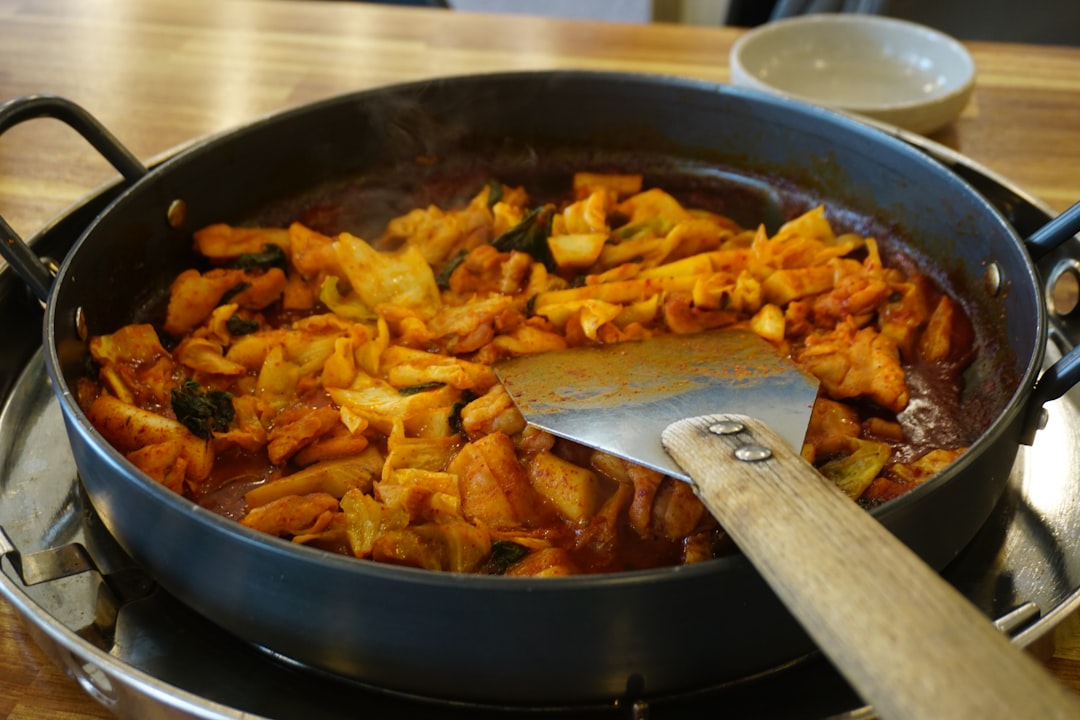
Markets are the heart of Korean culture, and mastering a few key phrases will not only help you navigate these vibrant spaces but also open doors to authentic connections with local vendors and fellow shoppers. Whether you’re craving bindaetteok (mung bean pancakes) or hunting for the perfect souvenir, confident communication makes all the difference between feeling like an outsider and experiencing Korea like a local.
Essential Food Ordering Phrases
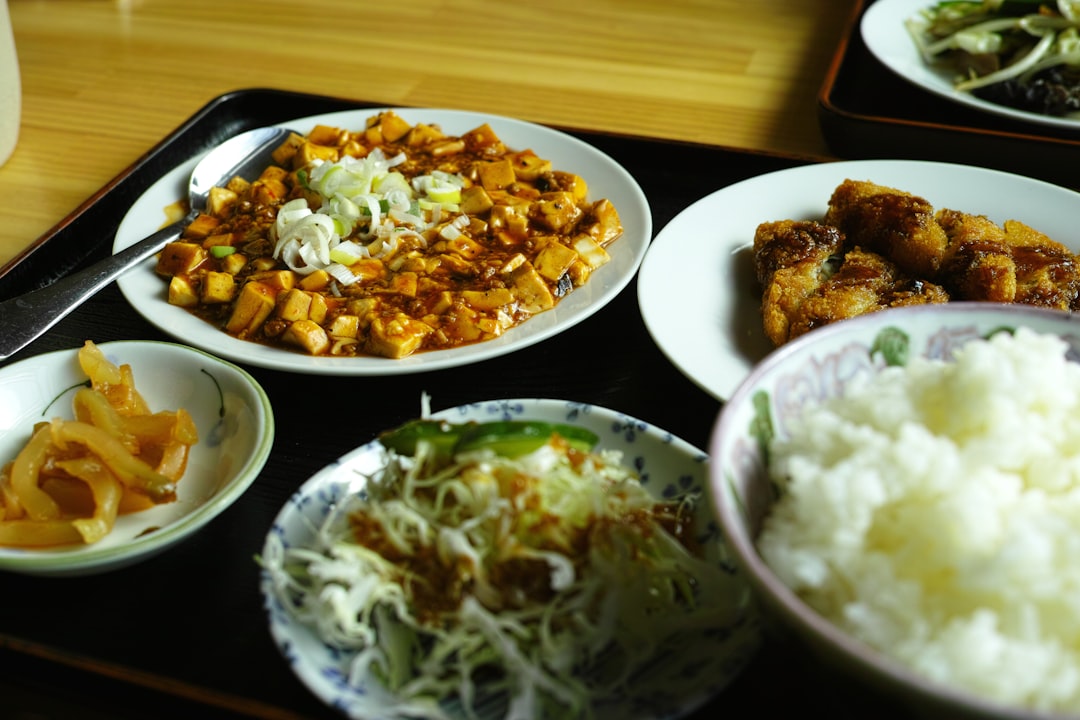
When it comes to ordering food at Korean markets, politeness and clarity are your best friends. Start every interaction with a warm greeting and use these fundamental phrases:
- 안녕하세요 (annyeonghaseyo) – Hello (polite greeting)
- 이거 주세요 (igeo juseyo) – Please give me this
- 얼마예요? (eolmayeyo?) – How much is it?
- 맛있어요 (masisseoyo) – It’s delicious
Smart Shopping Strategies
Korean markets offer incredible variety, from traditional crafts to modern K-beauty products. Here are your shopping survival phrases:

- 구경만 해요 (gugyeongman haeyo) – Just looking/browsing
- 깎아 주세요 (kkakka juseyo) – Please give me a discount
- 카드 돼요? (kadeu dwaeyo?) – Can I pay by card?
- 감사합니다 (gamsahamnida) – Thank you (formal)
Building Connections with Locals
The magic of Korean markets isn’t just in the shopping – it’s in the human connections. Vendors and fellow shoppers are often eager to help and share their culture with friendly visitors. Use these phrases to break the ice:

- 처음이에요 (cheoeumiaeyo) – It’s my first time
- 추천해 주세요 (chucheonnae juseyo) – Please recommend something
- 한국어 배우고 있어요 (hangugeo baeugo isseoyo) – I’m learning Korean
Cultural Context and Body Language
Remember that communication goes beyond words. In Korean markets, showing respect through your body language is crucial. Bow slightly when greeting, use both hands when receiving change or items, and maintain a friendly but respectful tone. These small gestures show cultural awareness and often lead to warmer interactions.

- Master the basics: greeting, pointing and asking for items, and saying thank you
- Don’t be afraid to use gestures combined with Korean phrases – vendors appreciate the effort
- Bargaining is cultural in traditional markets, but read the situation first
- Showing genuine interest in learning Korean opens doors to authentic local connections
- Respect and politeness through both words and body language create positive interactions
Responses